When public mobile networks are overloaded or fail, energy suppliers, municipal utilities and other operators of critical infrastructure must still be able to communicate reliably. 450 MHz networks are designed for this very purpose. With the IS541.1 from i.safe MOBILE, this communication is now also possible in potentially explosive atmospheres.
Special features of 450 MHz networks
450 MHz networks are not ordinary mobile networks. They are exclusively licensed and dedicated, and are operated specifically for safety-critical applications.
The physical properties of the 450 MHz band offer clear advantages. Low frequencies mean long range. A base station operating in the 450 MHz band covers a much larger area than is achievable in higher frequency bands; according to standard comparisons, almost three times as much as at 850 MHz and more than ten times as much as at 1,900 MHz. The band can be used in a technology-neutral manner, ranging from LTE and NB-IoT to 5G, which was standardised for the 450 MHz band in 3GPP Releases 18 and 19.
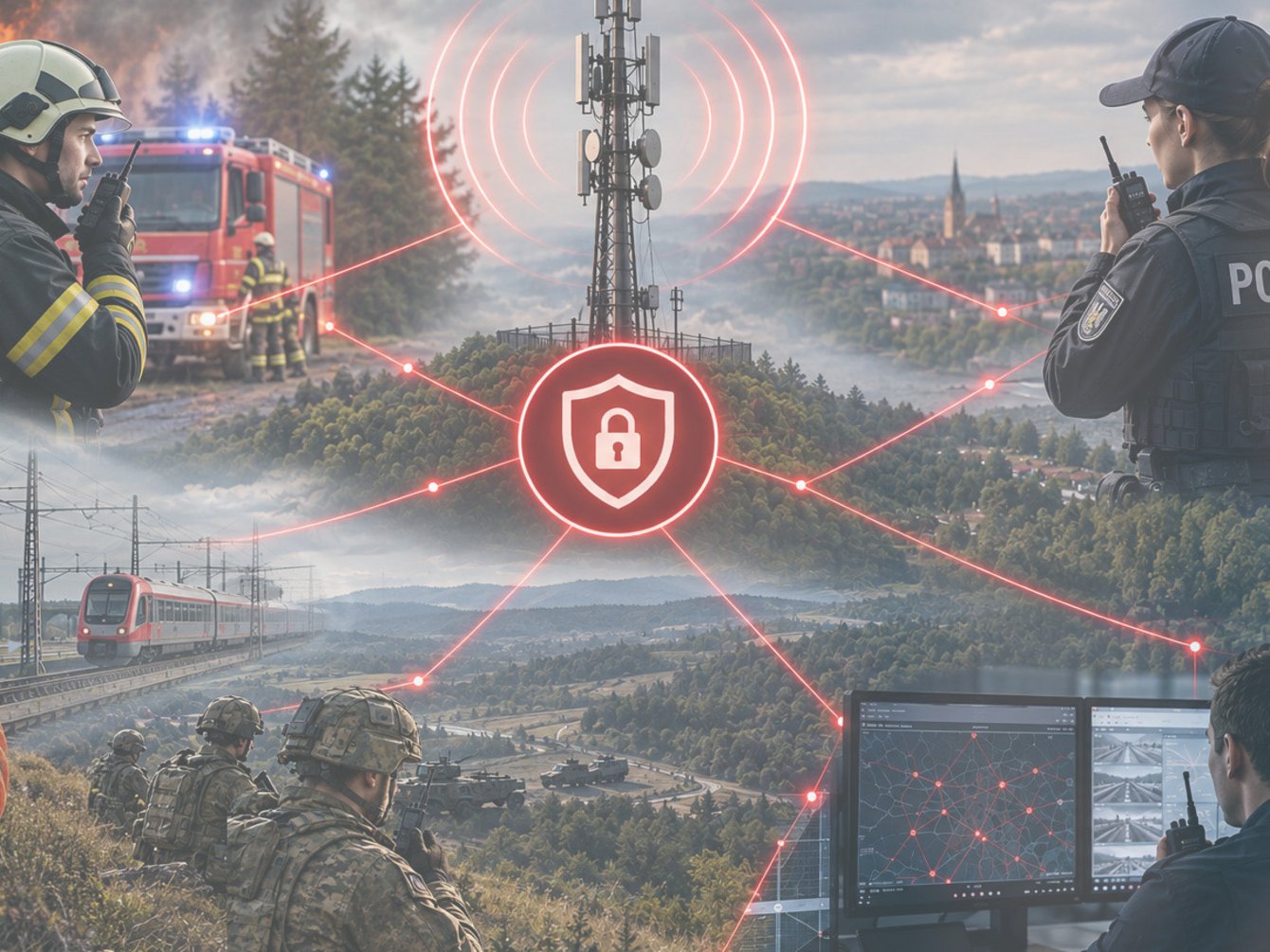
IS541.1: 5G and 450 MHz for Zone 1/21
The IS541.1 from i.safe MOBILE is the world’s first 5G smartphone with 450 MHz support that is approved for use in Zone 1/21 (ATEX/IECEx) potentially explosive atmospheres. It combines the reliability of 450 MHz networks with modern 5G connectivity.
In Germany, 450connect builds and operates the nationwide, dedicated 450 MHz mobile network. The frequencies are primarily allocated to operators of critical infrastructure (KRITIS). The IS541.1 is listed on 450connect’s whitelist. With its 450 MHz support, it contributes to fail-safe, security-critical communications and enhances the operational reliability of KRITIS operators..
Applications worldwide
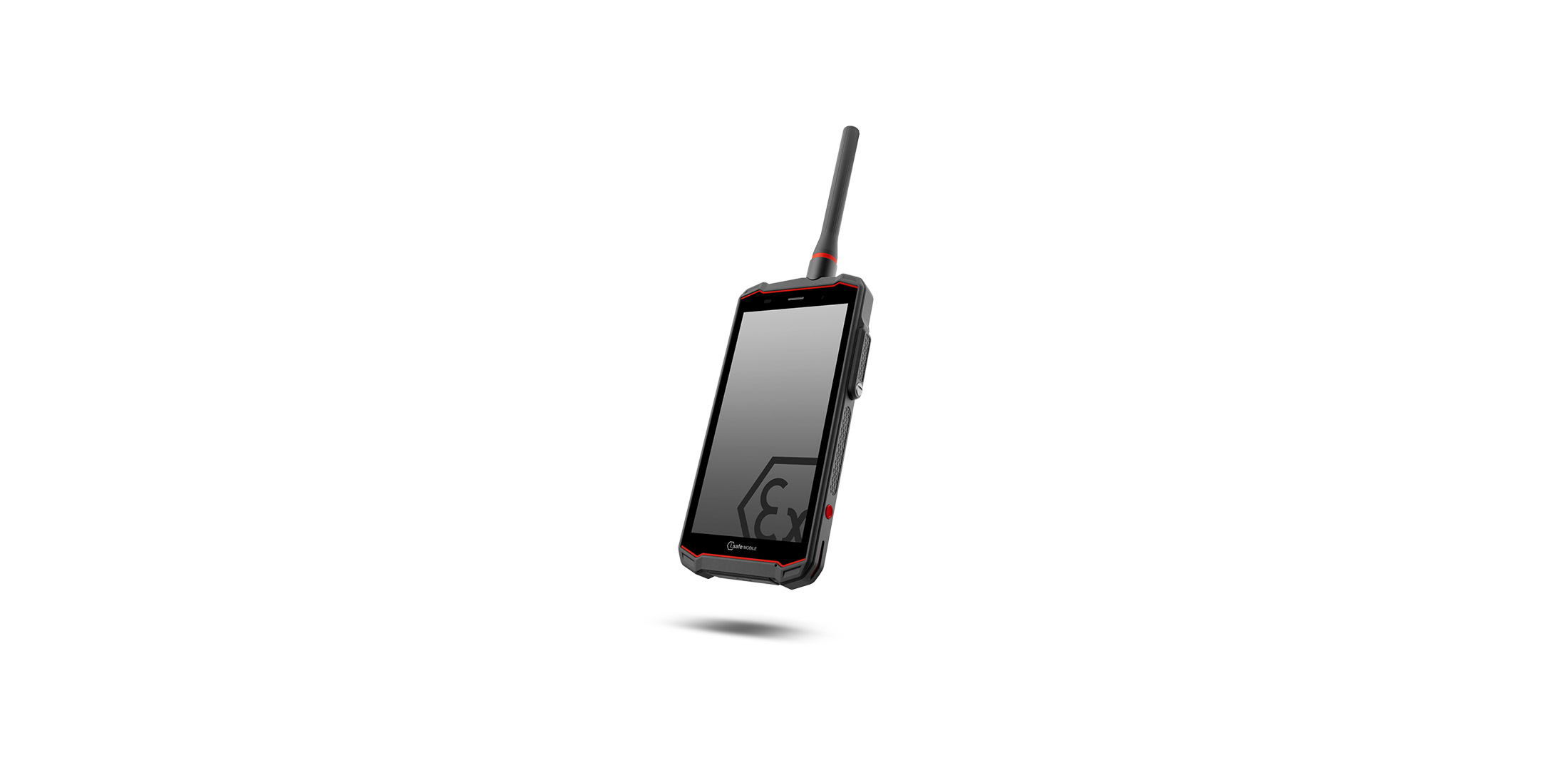
According to the 450 MHz Alliance, more than 40 major 450 MHz projects are either operational or in the planning stage worldwide. Spectrum in the 400 MHz band has been allocated or earmarked in countries that together account for around 85 per cent of the world’s population. The main sectors are energy supply, public safety, transport, industry (such as mining, oil and gas) and rural broadband provision. Licensing is country-specific and is allocated to different sectors depending on the region:
- Germany, Austria, the Netherlands, Poland: energy and water supply, municipal utilities, smart grids, smart metering
- Hungary: military and government
- Norway: broadband for rural regions, increasingly industry
- Argentina, Brazil: agriculture, energy, transport
- Saudi Arabia: mission-critical communications
- Singapore, Malaysia: public safety
Mission-Critical Push-to-Talk (MCPTT)
MCPTT is the standardised 3GPP service for mission-critical communications over LTE and 5G networks. It supports prioritised voice communications, group calls, emergency calls with the highest level of availability, and encrypted transmission. It is also interoperable with traditional public safety radio networks such as TETRA. Dedicated 450 MHz networks are the ideal platform for this, as they are resilient, prioritised and operate independently of public networks.
More about Push-to-Talk and MCPTT
450 MHz Alliance
i.safe MOBILE is a member of the 450 MHz Alliance, the international advocacy group dedicated to the promotion and further development of networks in the 380 to 512 MHz band. The Alliance brings together network operators, regulatory bodies, equipment manufacturers and users worldwide, and is committed to standardisation, regulation and global market development.