


![[Translate to Global Englisch:] MCPTT](/fileadmin/_processed_/7/f/csm_Banner_MCPTT_78053fcfc3.jpg "[Translate to Global Englisch:] MCPTT")
Professional communication systems for mission-critical environments
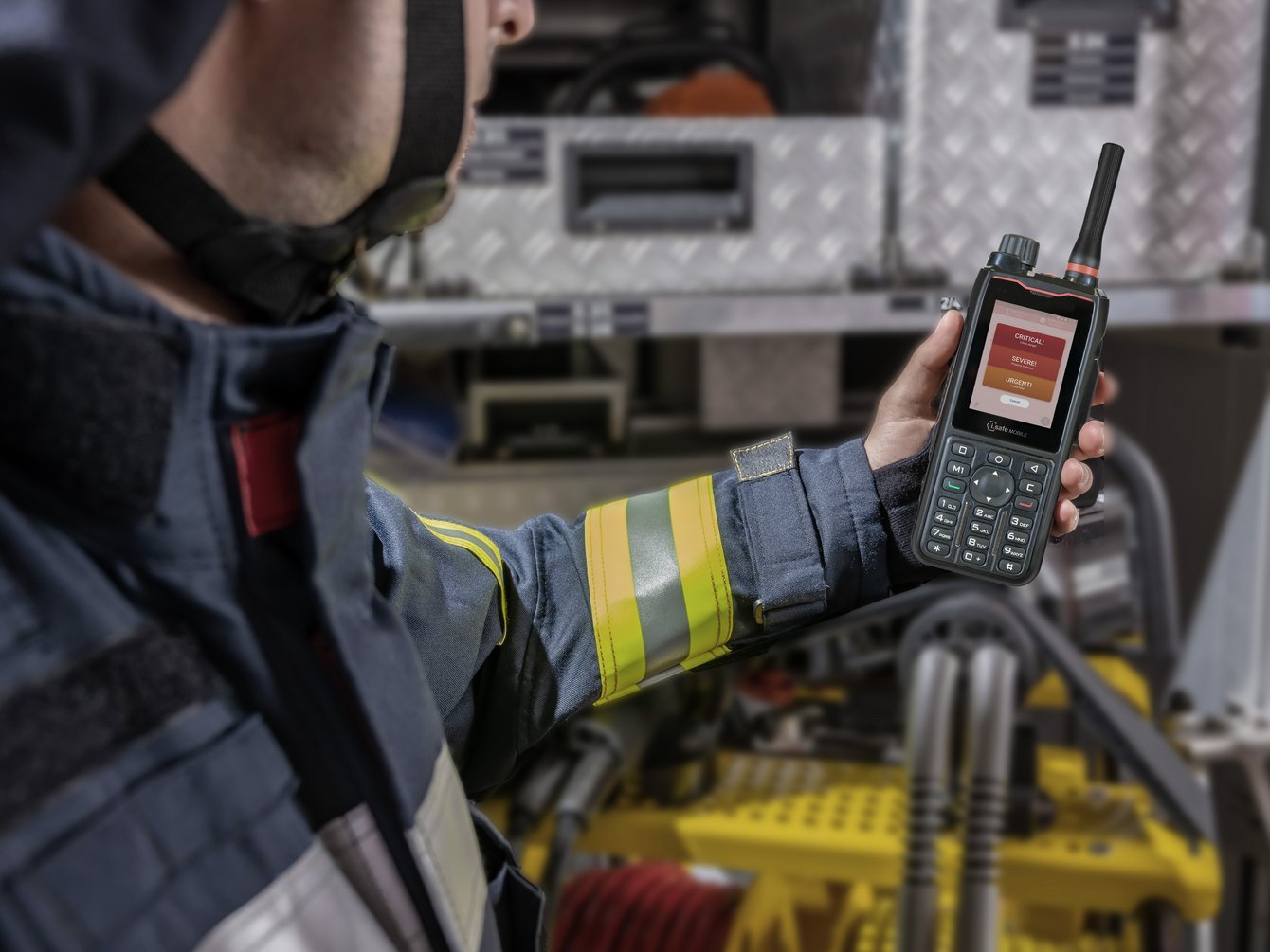
Reliable voice communication is not merely a convenience feature. It is the operational foundation – for coordinated operations, smooth processes and the safety of people in critical situations. Push-to-Talk (PTT) and Mission-Critical Push-to-Talk (MCPTT) now define the communication standards for industries where transmission delays or connection failures are unacceptable risks.
Technical basics: PTT and MCPTT at a glance
Push-to-Talk describes instant, push-button-based voice communication without the need to establish a connection or endure waiting times. Modern PoC (Push-to-Talk over Cellular) solutions utilise public LTE/4G networks and extend classic walkie-talkie functionality to include group calls, GPS tracking, text messaging and video services.
Mission-Critical Push-to-Talk is a communication protocol specified according to the 3GPP standard, designed for use in life-critical scenarios. The difference from PoC lies not in the operating logic, but in the systemic design: Network prioritisation, dedicated emergency channels, end-to-end encryption and dispatch functionality at command centre level.
| Feature | PTT/PoC | MCPTT |
| Network priority | Not guaranteed | Prioritised transmission even during network congestion |
| Emergency call system | Standard call | Mission-critical compliant per 3GPP |
| Security architecture | Application-side | Mission-Critical-konform nach 3GPP |
| Dispatch functionality | Limited | Full command and control centre integration |
MCPTT is not a gradual evolution of PoC; it is the standardised communication standard for professional users in safety-critical environments.
Why the migration is taking place now
Replacing existing communication infrastructures is not a strategic option, but a technological necessity. Analogue networks are being phased out. TETRA infrastructures are reaching the end of their lifecycle. Public LTE is established as an interim solution, but not a target architecture. MCPTT over LTE and 5G is the standardised successor – underpinned by international standards, national government programmes and a growing range of devices and platforms.
Procurement decisions made today must reflect this migration. Anyone investing in end devices must ensure that these cover the entire technology cycle – from PoC through MCPTT to 5G.
Areas of application: Who uses PTT, who needs MCPTT
PTT is the right choice for operational teams requiring fast, straightforward group calling without their own infrastructure: logistics, facility management, manufacturing, retail or hospitality.
MCPTT is the standard for organisations where a communication failure is not a tolerable option:
- Emergency services – police, fire brigade, ambulance services: prioritised emergency channels that function without restriction even during network congestion
- Government agencies and public administrations: establishment of national communication infrastructures based on open 3GPP standards
- Defence and security agencies: encrypted, tap-proof connections for classified communication environments
- Transport and utility infrastructures: real-time coordination of distributed, mobile teams during ongoing operations
- Industrial facilities in ATEX zones: a combination of device-side certification and professional communication standards
Furthermore, this sector is aimed at mobile network operators integrating MCPTT as a managed service into their B2B portfolio, as well as solution partners and system integrators implementing complete communication solutions for public authorities and industrial customers.

Our certified mobile devices for PTT and MCPTT
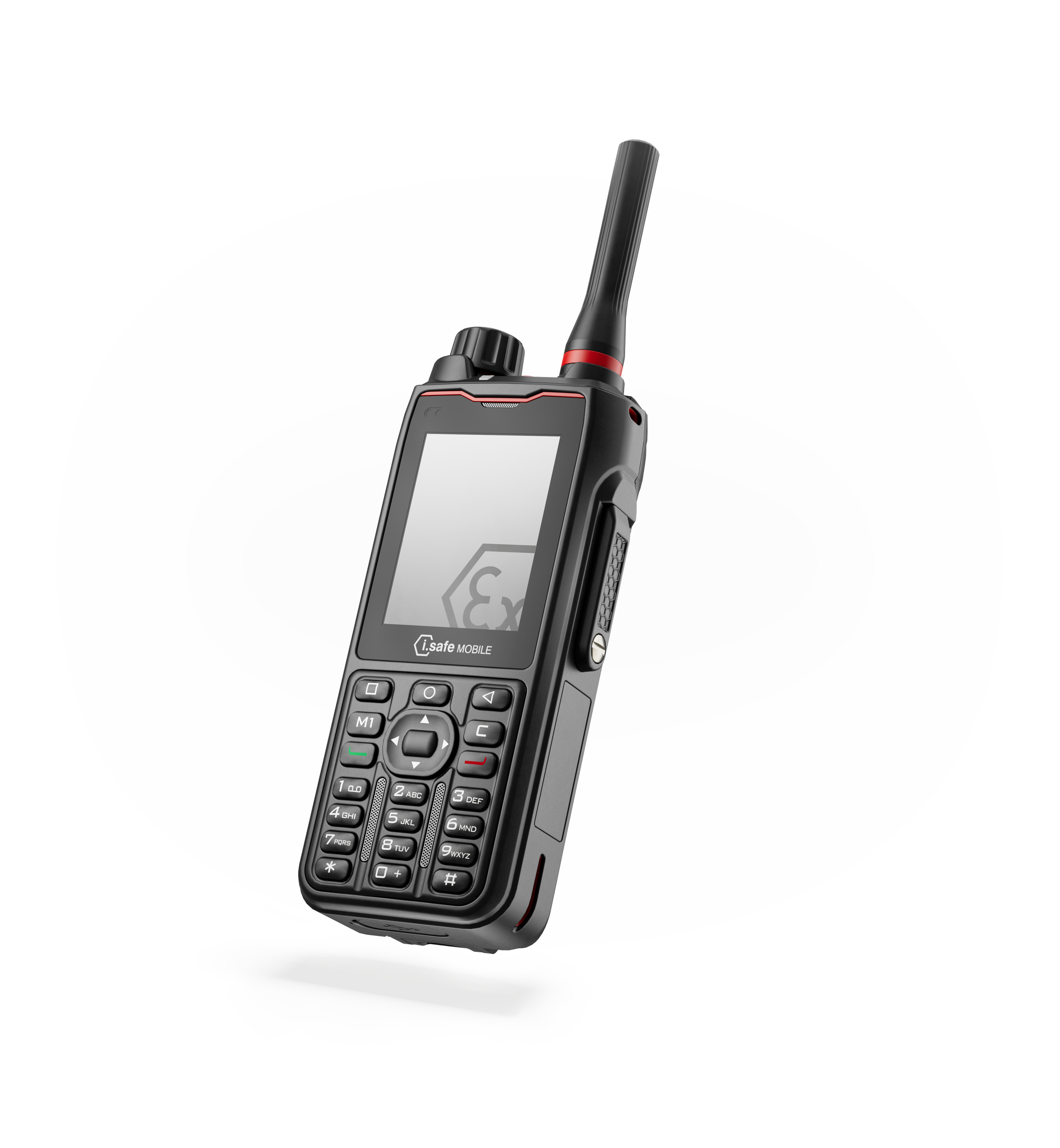
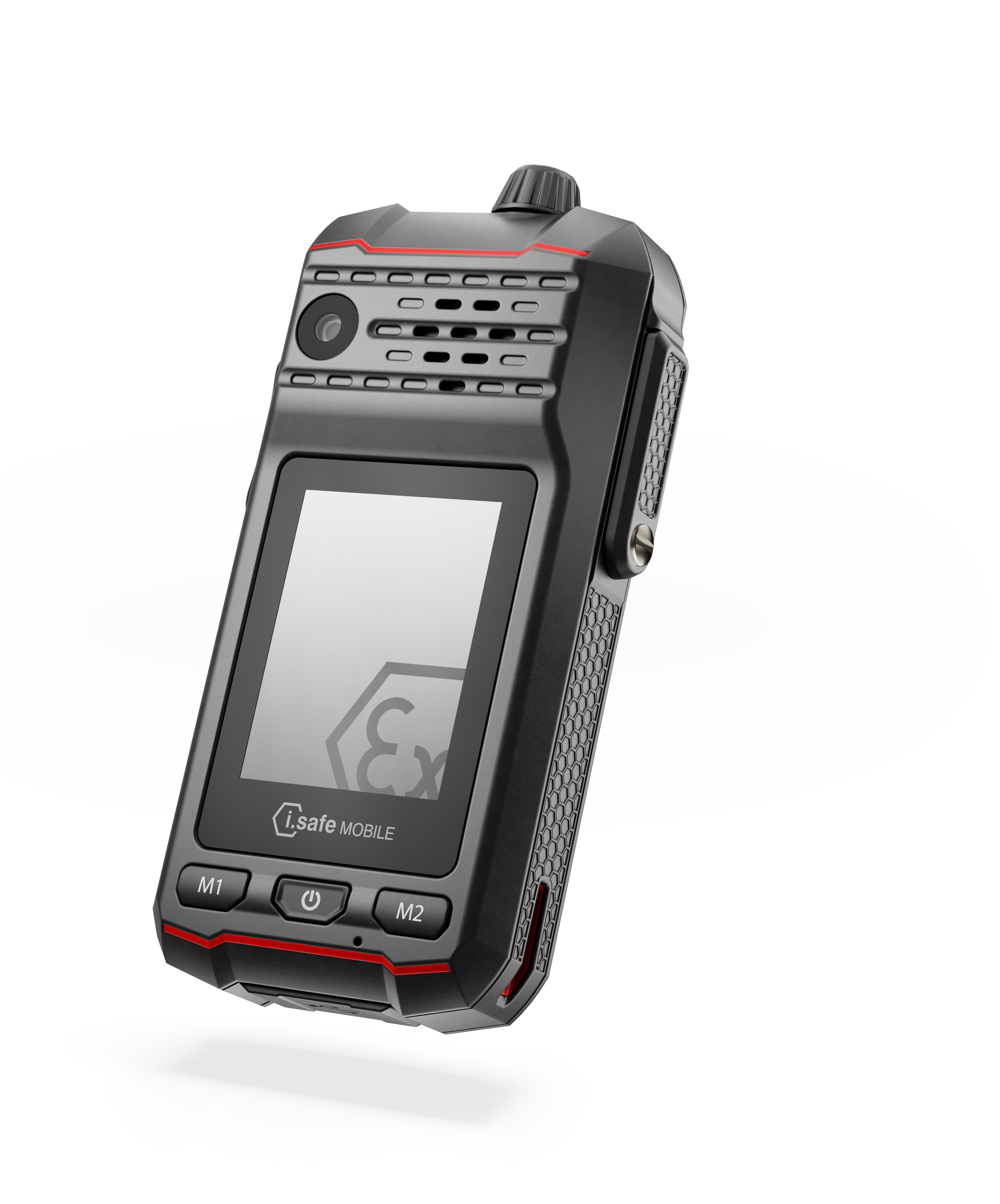
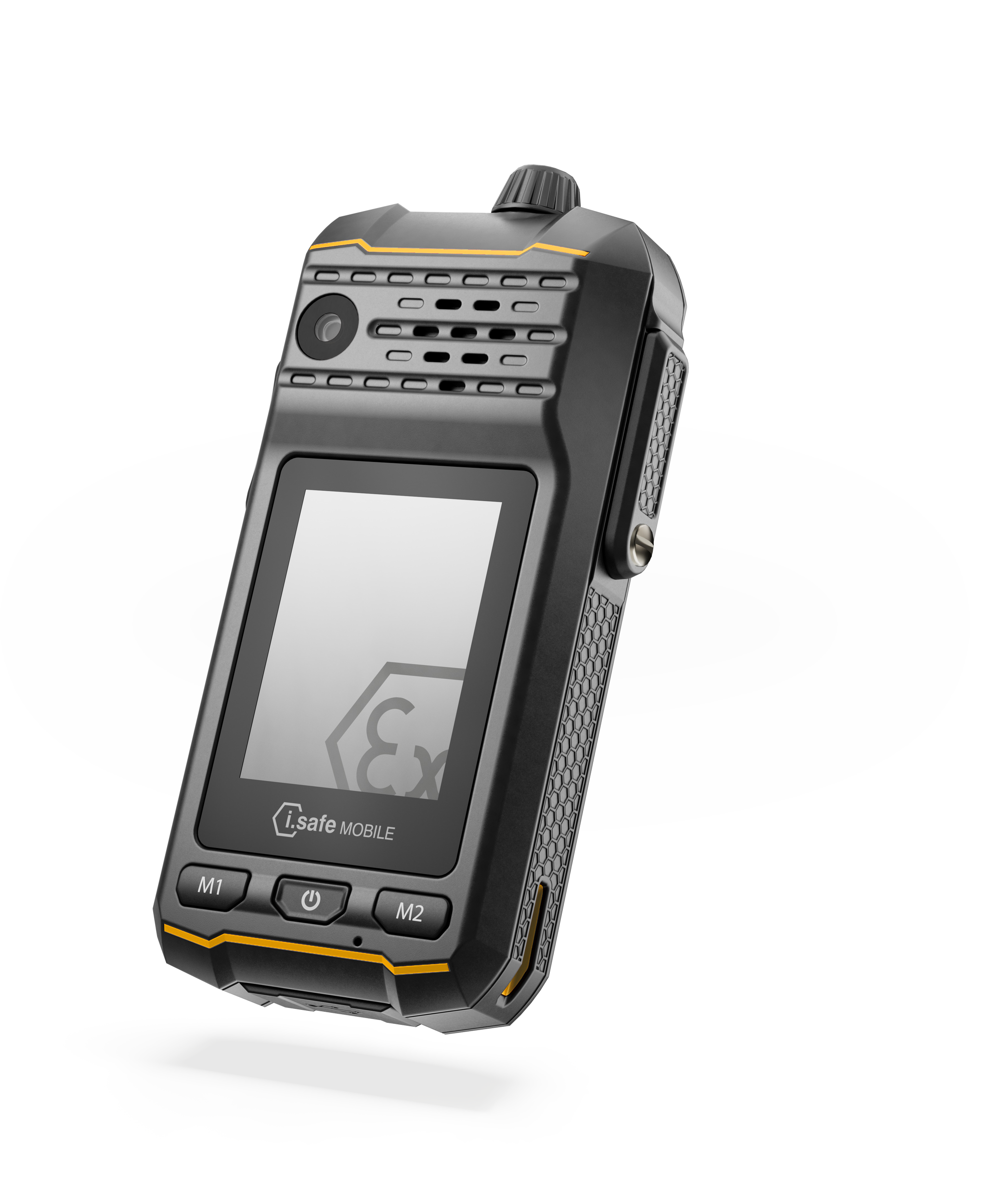
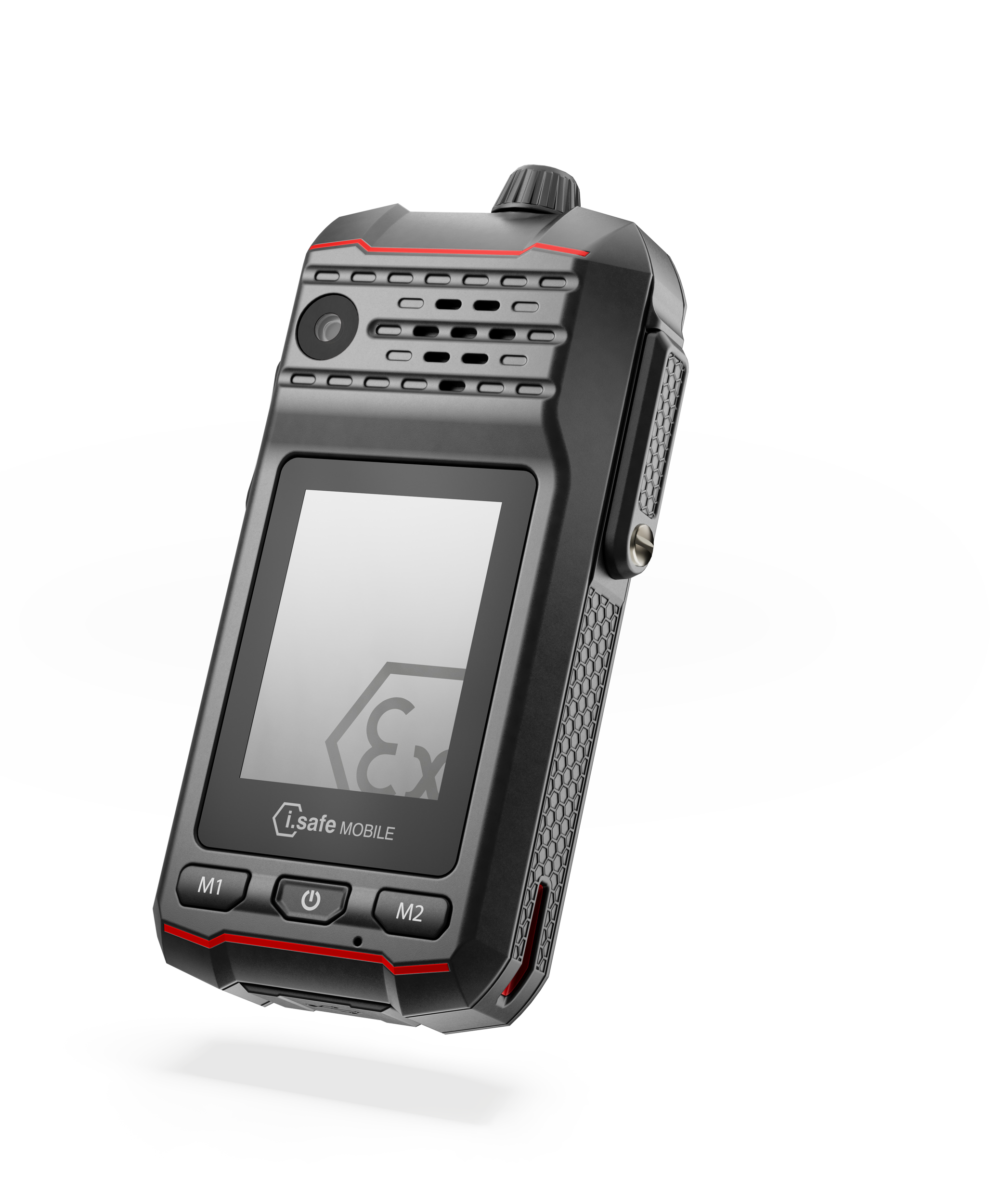
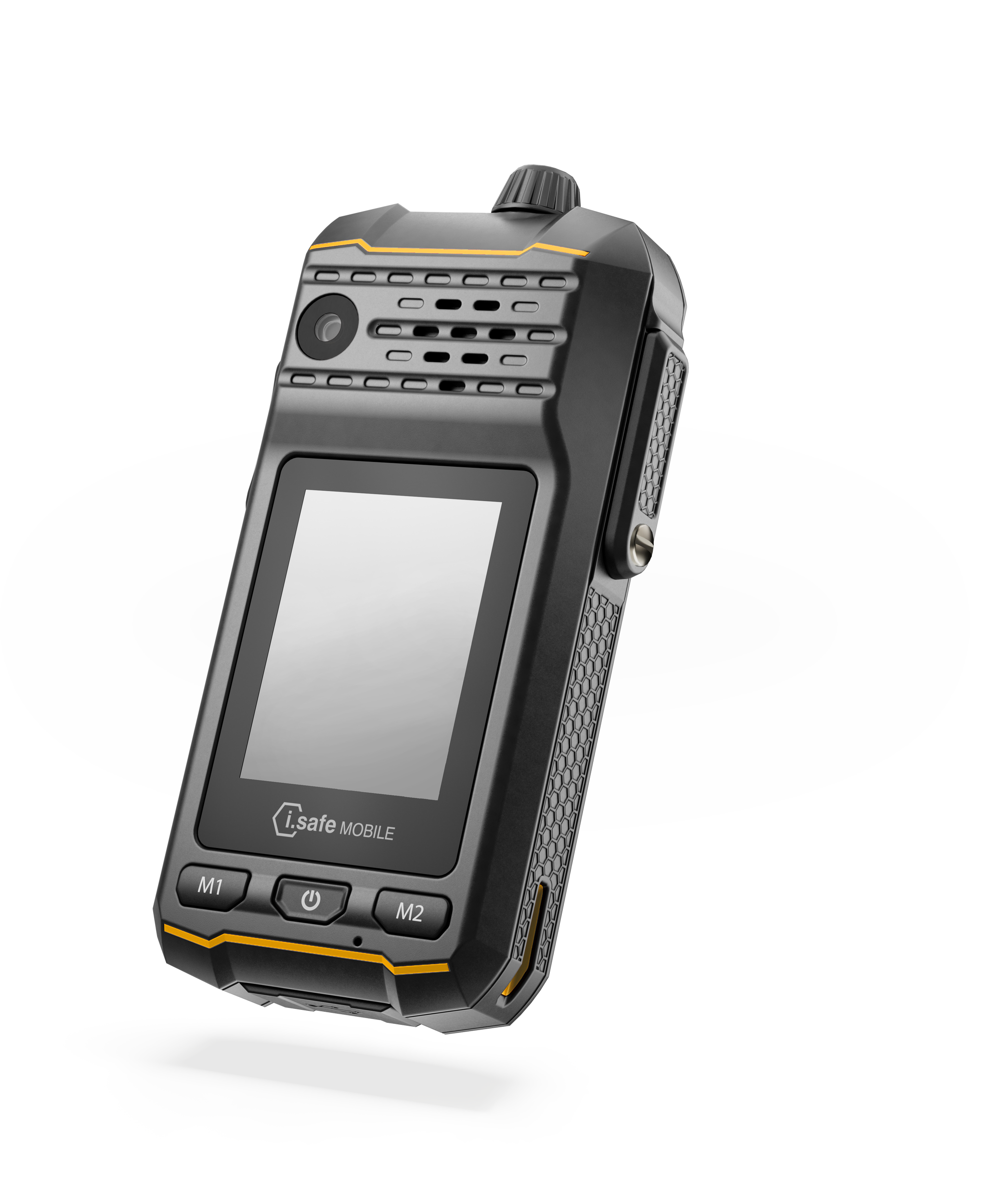
Our 4G/5G radios from the IS380.x and IS440.x series are designed for integration with leading PTT and MCPTT solutions. Via the i.safe MOBILE App World, we provide reliable, verified communication applications directly for our devices – tested and ready for use in professional environments.
We implement complete MCPTT systems, comprising a server platform, dispatch solution and network integration, in collaboration with specialised solution partners. The end device is the starting point; the complete communication solution is created collaboratively.
MCPTT on 5G infrastructures: Our roadmap
5G fundamentally shifts the performance parameters of professional communication systems: higher bandwidths, reduced latency, enhanced data services. MCPTT functions such as group communication, live video communication, location services and emergency management thus gain significantly in performance and scalability.
Our 5G devices are designed for this purpose. With the appropriate certifications and our partner network, we cover the entire communications infrastructure, meeting today’s requirements and those of the next technology cycle.